
Volcanoes you can climb in different parts of the world
Index
The fascination of volcano climbing
Since ancient times, volcanoes have been symbols of power, mystery, and transformation. For ancient cultures, these mountains of fire were sacred places, abodes of gods and scenes of legends. Today, volcanoes still arouse the same mix of respect and fascination, but they have also become tourist and adventure destinations. Every year, thousands of travelers dare to walk its slopes and conquer its peaks, enjoying a once-in-a-lifetime experience.
What distinguishes volcanoes from other mountains is their changing character. Many lie dormant, offering safe hiking trails, while others remain active and allow visitors to observe fumaroles, craters, and volcanic landscapes that look like they’re from another planet. Climbing a volcano isn’t just a physical challenge; it is also a spiritual journey that connects people with the force of the Earth.
In this article, we’ll explore volcanoes that you can climb on different continents . From the majestic Etna in Italy to the imposing Kilimanjaro in Africa, passing through volcanoes in Asia, North and South America, you will discover destinations that combine adventure, nature and culture. We’ll also share tips to make your experience safe and enriching. If you’ve always dreamed of conquering the top of a volcano, you’ll find inspiration to take the first step here.


Volcanoes you can climb in Europe
Europe offers some of the most accessible and fascinating volcanoes in the world. One of the most popular is Etna, in Sicily, Italy. This giant is still active, but it can be climbed with the help of local guides. The ascent allows you to contemplate smoking craters and a lunar landscape that contrasts with the Mediterranean coast in the background. Another unforgettable destination is the Stromboli, also in Italy, famous for its constant eruptions and its silhouette that emerges directly from the Tyrrhenian Sea. Climbing the Stromboli at night is an experience that many describe as magical, as explosions light up the sky.
In Spain, Mount Teide, in Tenerife, is another volcano that you can climb and attracts thousands of visitors a year. At 3,718 metres, it is the highest mountain in Spain and one of the most visited national parks in Europe. The climb combines stretches of cable car with trails that lead to the crater, from where the views take in the entire island and, on clear days, even other islands in the archipelago.
These European volcanoes not only offer adventure routes, but also a link to the history and geology of the continent. Climbing them is like traveling to the very heart of the Earth, with the advantage that they are usually well prepared to receive hikers of all levels.
Volcanoes you can climb in South America
South America is a paradise for adventure lovers, with some of the highest and most spectacular volcanoes on the planet. Ecuador is home to Cotopaxi, one of the most iconic volcanoes in the Andes mountain range. At 5,897 meters, it’s a considerable challenge, but those who manage to reach its summit enjoy breathtaking views, surrounded by glaciers and Andean landscapes.
In Chile, Villarrica is another volcano that you can climb and that offers a unique experience. This volcano, still active, allows organized ascents with specialized guides and equipment. The reward is to contemplate a crater where you can see incandescent lava on occasion. In addition, the surrounding region is ideal for combining adventure with hot springs and lakes of great beauty.
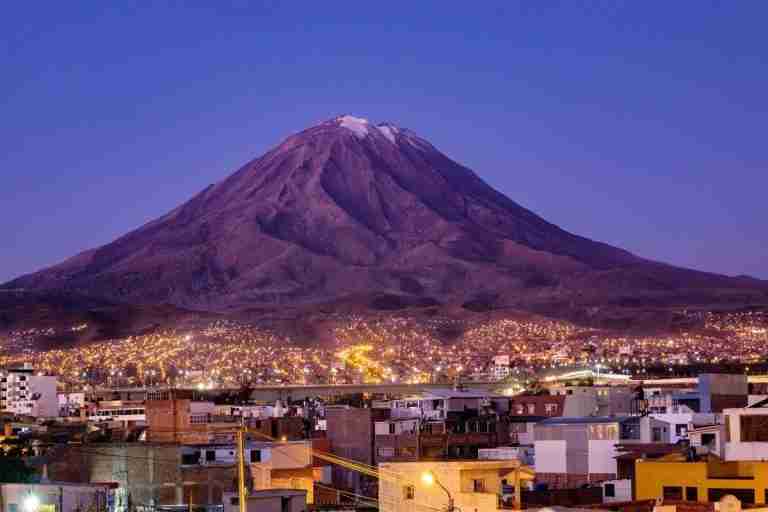
In Peru, El Misti, located near Arequipa, is a majestic volcano that reaches 5,822 meters in height. Its ascent, although demanding, is one of the most sought-after experiences for those who wish to combine adventure with history, since archaeological remains of ancient Inca offerings have been found on its slopes.
South American volcanoes are not only impressive for their size, but also for the cultural context that surrounds them. Each ascent is an opportunity to immerse yourself in unique traditions, landscapes, and challenges.
Volcanoes you can climb in North America
North America is also home to impressive volcanoes that you can climb, many of them steeped in natural and cultural history. One of the most emblematic is the Pico de Orizaba, in Mexico, considered the highest volcano in North America with 5,636 meters high. Its snowy summit contrasts with the temperate climate of the low-lying regions, and reaching it is an achievement for experienced mountaineers.
Another interesting destination is the Mount St. Helens , in the United States, famous for its great eruption in 1980. Currently, it is possible to make excursions to the edge of its crater, which allows you to observe closely how nature has been regenerating after that event. Although the landscape seems desolate, it offers a unique lesson about the strength and resilience of the planet.
Popocatépetl, also in Mexico, is another of the great, but in this case it can only be admired from a distance due to its intense volcanic activity. Still, it’s a reminder of how fascinating and dangerous it can be to live with these living mountains.
Climbing volcanoes in North America combines adventure and learning, as each ascent reveals not only breathtaking landscapes, but also fundamental chapters of the continent’s geological history.
Volcanoes you can climb in Asia
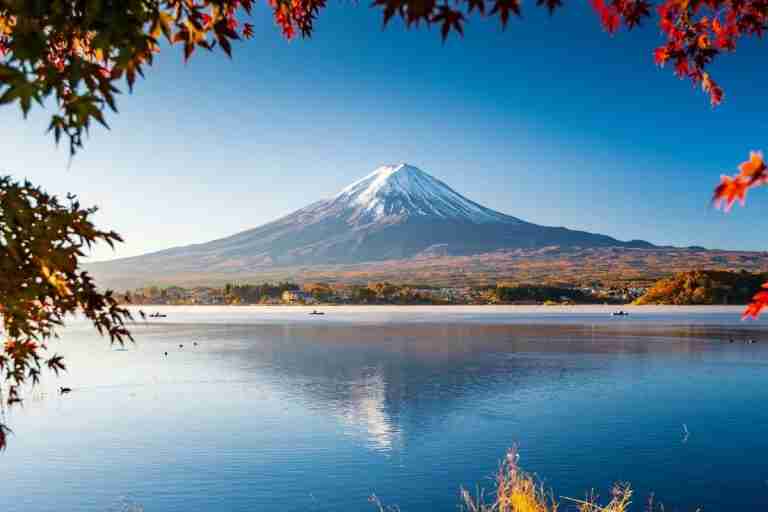
Asia is home to some of the world’s most famous and spiritual volcanoes. Mount Fuji, in Japan, is probably the most iconic volcano on the continent. Climbing it is not only a physical challenge, but also a cultural and spiritual journey. Thousands of pilgrims and tourists ascend every year, especially during the summer months when its routes are open and safe. From the top, the sunrise views are considered one of the most beautiful on the planet.
In Indonesia, Mount Bromo offers a completely different experience. Located on the island of Java, this volcano sits in the middle of a sea of sand, making it an almost surreal landscape. The hike to its crater is relatively straightforward, making it accessible to all types of travelers.
Also in Indonesia, Mount Rinjani is another volcano that you can climb and that offers one of the most complete experiences. Your ascent includes crater lakes, hot springs, and spectacular mountain scenery. Although the climb is more demanding, the reward is incomparable.
Climbing volcanoes in Asia allows you to experience not only the natural beauty, but also the spiritual connection that many cultures maintain with these sacred mountains.
Volcanoes you can climb in Africa
Africa is also home to impressive volcanoes that you can climb, the most famous of all being Kilimanjaro in Tanzania. This giant, at 5,895 meters, is the highest mountain in Africa and one of the most desired destinations for adventurers. Although its ascent does not require technical experience, it does require good physical condition and adaptation to the altitude. The views from the top are simply spectacular, with glaciers and the African horizon stretching as far as the eye can see.
Another prominent volcano is Mount Cameroon, located on the western coast of the continent. Its ascent crosses jungles, meadows and volcanic landscapes in a single route, offering a very varied experience in just a few days of hiking.
In the Democratic Republic of Congo, Nyiragongo is one of the most fascinating volcanoes in the world, famous for being home to the largest and most active lava lake on the planet. Although its climb requires precautions and specialized guides, those who visit it agree that it is a once-in-a-lifetime experience.
African volcanoes combine adventure with the opportunity to explore unique ecosystems and cultures. Climbing them means experiencing the continent from a privileged and profoundly transformative perspective.
Practical tips for climbing volcanoes safely
Although climbing volcanoes is an unforgettable experience, it also involves risks that should not be underestimated. The first tip is physical and mental preparation: many volcanoes reach great heights, which means that the body must adapt to extreme conditions. Training with long walks and practicing in mountainous terrain is essential before embarking on the trip.
The second aspect is the right equipment. Depending on the volcano, it will be necessary to have resistant boots, thermal clothing, sunglasses, sunscreen and, in some cases, crampons and ice axes for icy surfaces. It is also essential to bring enough water and energy food for the journey.
Another key tip is to always have a local guide. They know the routes, risks, and specific conditions of each volcano. In addition, many places only allow the ascent accompanied by experts to ensure safety.
Finally, it is important to remember that volcanoes are fragile environments. Climbing one involves respecting nature, not leaving trash, and following the established rules. Personal safety and environmental conservation must always go hand in hand.

Conclusion: The experience of conquering the top of a volcano
Climbing a volcano is much more than an adventure; it is an experience that leaves its mark on the body and spirit. From the glaciers of Cotopaxi to the crater of Villarrica or the spirituality of Mount Fuji, each volcano offers a different journey, but they all share the same magic: the possibility of walking on the living pulse of the Earth.
The volcanoes you can climb around the world are destinations that inspire respect and admiration. Those who dare to conquer them return with indelible memories, unique landscapes etched in their memory and a deeper connection with nature.
Whether in Africa, Asia, America or Europe, the adventure of climbing a volcano invites you to overcome your limits, learn from different cultures and live moments of fulfillment in direct contact with the strength of our planet. If you’ve ever dreamed of this experience, maybe it’s time to choose your destination and start preparing your own expedition.