
UNESCO Routes: Must-see World Heritage Sites
Index
UNESCO routes and their cultural importance
Traveling is much more than moving from one place to another; It is a bridge to cultures, histories and landscapes that have shaped humanity. In this sense, the must-see World Heritage Sites recognized by UNESCO are authentic guardians of the collective memory of the planet. UNESCO, through its World Heritage programme, identifies and protects those sites of outstanding universal value, whether for their historical, artistic, natural or cultural significance.
Exploring these sites is a unique opportunity to connect with past eras, better understand the present and reflect on the future we want to build. Each World Heritage Site tells a different story: ancient temples, ancient cities, unique natural landscapes or living cultural expressions.
UNESCO routes are a perfect way to organize themed trips that combine discovery, learning and adventure. By touring these destinations, we are not only enjoying their beauty, but also supporting the preservation of their legacy. The diversity is overwhelming: from natural wonders like national parks and coral reefs to architectural gems and historic centers that have witnessed entire civilizations.
In this article we invite you on a journey around the world, exploring the must-see World Heritage Sites on each continent. Get ready to discover treasures that, beyond their aesthetic value, are an essential part of our global identity.


Europe: Cradle of history and art in every corner
Europe is a true open-air museum, where each city, town or landscape tells an important chapter of history. Among the must-see World Heritage Sites, the continent is home to priceless architectural, cultural and natural gems.
In Italy, the Colosseum in Rome stands as a witness to the grandeur and brutality of the ancient Roman civilization. Not far away, the city of Florence shines with its Renaissance legacy, while Venice fascinates with its canals and floating palaces.
Spain brings wonders such as the Alhambra in Granada, with its exquisite Islamic architecture, and the Cathedral of Santiago de Compostela, a destination for pilgrims for centuries. France boasts Mont-Saint-Michel and its mystical silhouette, as well as the Palace of Versailles, a symbol of absolutism and opulence.
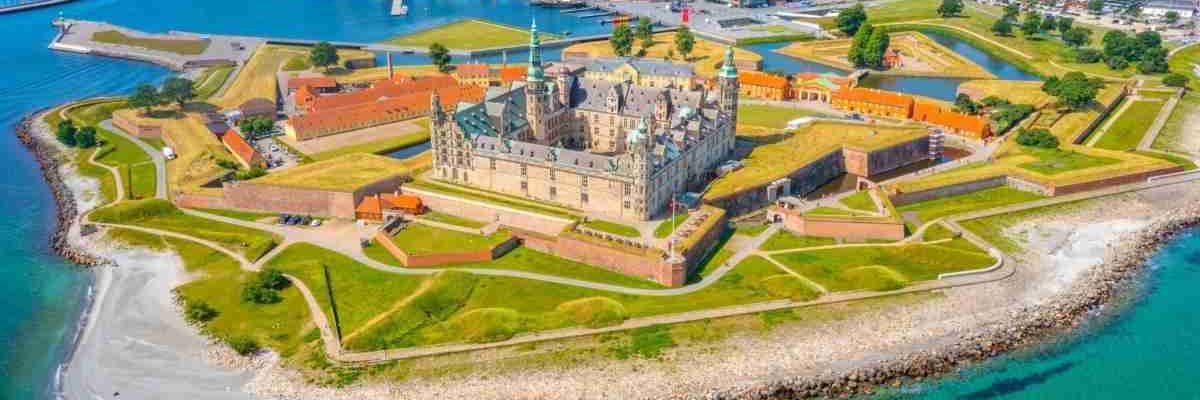
In the centre of Europe, Prague’s Old Town in the Czech Republic displays a unique harmony of Gothic, Baroque and Renaissance styles. Further north, the Kronborg fortress in Denmark and the wooden churches in Norway are examples of how history and tradition are carefully preserved.
Each of these places not only attracts for its beauty, but also for the accumulation of stories, legends and events that they contain. To travel through Europe through its Heritages is to enter a living book, where the pages are written with stone, marble and eternal landscapes.
Asia: Between ancient temples and sacred landscapes
Asia, the largest and most diverse continent in the world, is home to some of the most impressive must-see World Heritage Sites . Its history is intertwined with legends, religions and civilizations that have left a monumental legacy.
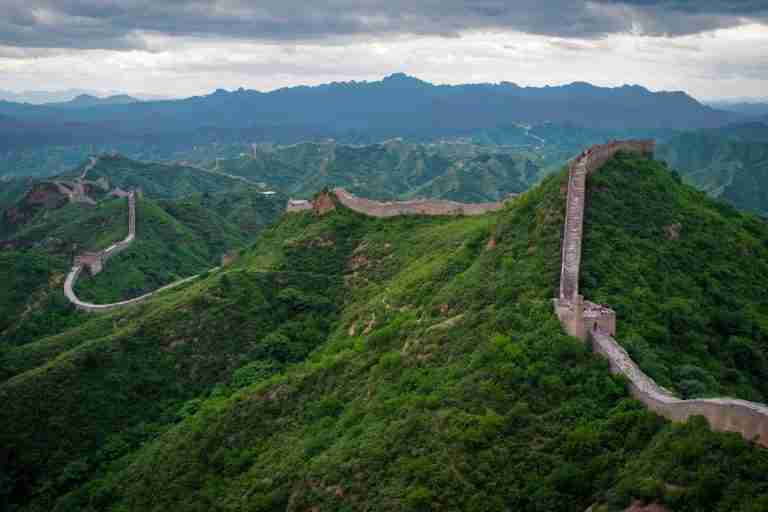
In China, the Great Wall stretches for thousands of miles, a testament to centuries of defense and cultural unity. India gives us the majestic Taj Mahal, a monument to eternal love, whose beauty of white marble and perfect symmetry has fascinated travelers for generations.
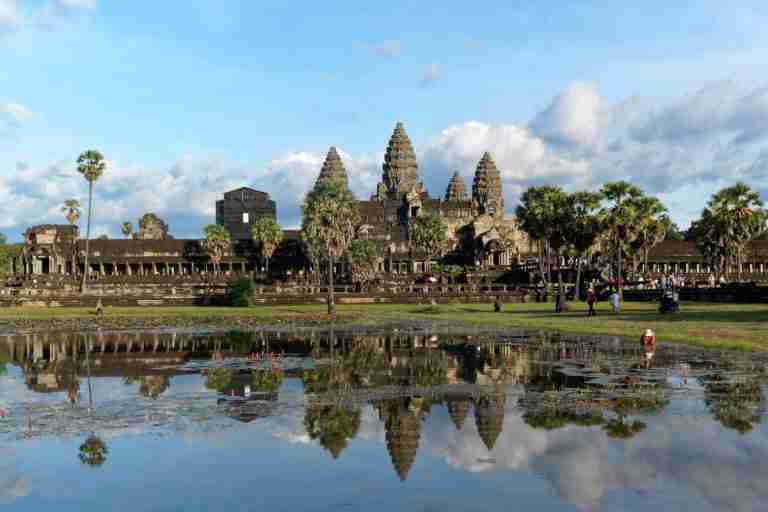
Cambodia is home to the temples of Angkor, a sacred city lost in the jungle that reflects the grandeur of the Khmer Empire. Japan preserves gems such as the Itsukushima shrine and historic Kyoto, where the tradition lives on in temples and gardens.
In Thailand, Ayutthaya presents itself as a journey back in time to the golden age of the Siamese kingdom, while in Uzbekistan, Silk Road cities such as Samarkand and Bukhara dazzle with their blue mosaics and majestic minarets.
Asia invites us on a deep journey, where each site is an encounter with unique beliefs, philosophies and artistic expressions. To walk through it is to enter a universe of spirituality and beauty that transcends time.
Africa: Ancestral Heritage and Natural Wonders
Africa is synonymous with cultural and natural diversity, and its must-see World Heritage Sites range from ancient architectural wonders to breathtaking landscapes.
In Egypt, the Pyramids of Giza and the Sphinx stand as eternal symbols of Ancient Egyptian engineering and beliefs. Ethiopia, with the rock-carved churches of Lalibela, offers a unique spiritual experience and a taste of early Christianity.
In the heart of the continent, the Serengeti National Park in Tanzania presents us with the annual spectacle of the migration of millions of animals. South Africa is home to the iSimangaliso Park and Robben Island, the latter steeped in contemporary history.
Morocco surprises with the medina of Fez and the fortified city of Ait Ben Haddou, scenarios that seem frozen in time. Namibia, for its part, protects the Namib Desert, one of the oldest on the planet.
Every corner of Africa declared a World Heritage Site is a living testimony to the creativity, resilience and harmony with nature that have characterized its peoples. To travel in Africa is to rediscover the deepest roots of humanity.
America: Treasures That Tell the Story of the New World
The American continent holds must-see World Heritage Sites that narrate from millenary civilizations to natural wonders of monumental scale.
In South America, Machu Picchu, in Peru, stands among mountains and clouds as a symbol of Inca genius. Bolivia shows us the historic Potosí, while Brazil offers the Amazon rainforest and the historic center of Salvador de Bahia.
In Central America and Mexico, Chichen Itza and Palenque reveal the grandeur of Mayan civilization, while the colonial city of Antigua Guatemala enchants with its architecture and volcanic environment.
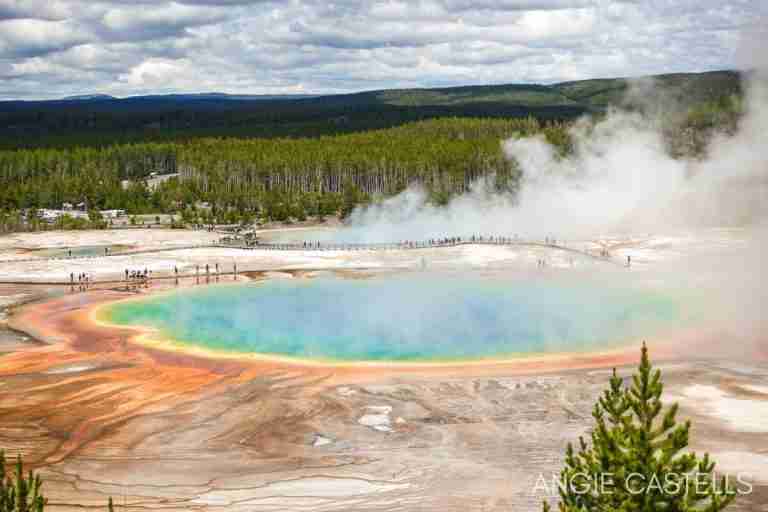
In North America, Yellowstone National Park in the United States surprises with its geysers and wildlife, while in Canada, Banff National Park offers dreamlike alpine landscapes. Cuba, on the other hand, falls in love with the historic center of Old Havana.
To travel through the Americas following the UNESCO routes is to discover a history marked by cultural diversity, the struggle for independence, artistic creativity and respect for nature.
Oceania: Unique Beauties and Aboriginal Culture
In Oceania, the must-see World Heritage Sites combine spectacular natural landscapes with the rich cultural heritage of the native peoples.
Australia dazzles with the Great Barrier Reef, an incomparable marine ecosystem, and Kakadu National Park, where rock art and biodiversity come together. Uluru-Kata Tjuta, a rock formation sacred to the aborigines, is another place that leaves its mark on the traveler.
New Zealand offers Tongariro National Park, with active volcanoes and emerald lakes, as well as the Milford Sound Fjord, considered one of the most beautiful landscapes in the world.
On more remote islands, such as those of French Polynesia, archaeological remains are found that tell stories of navigation and community life. The islands of Tonga and Samoa preserve traditions that are passed down from generation to generation, keeping the cultural essence of the Pacific alive.
Oceania reminds us that the natural and cultural worlds can coexist in perfect harmony, offering unforgettable experiences and a deep respect for the land and the sea.
Tips for planning your UNESCO routes
Traveling to the must-see World Heritage Sites requires more than just choosing a destination at random. To get the most out of the experience, it’s critical to plan carefully.
First, research the history and context of the place. Knowing in advance its relevance will make your visit much more meaningful.
Logistics are key: check the weather, the best dates to travel, and whether you need permits or tickets in advance. In very popular destinations, booking in advance is essential to avoid crowds.
Travel sustainably. Respect local regulations, do not leave trash, and, if possible, choose guides or services that contribute to the community’s economy.
Combine multiple destinations in a single region to optimize time and resources. Many UNESCO routes are designed to connect several nearby Heritage sites.
Finally, keep an open mind and a respectful attitude. Remember that these places are not simply tourist attractions, but cultural and natural legacies that we must protect for future generations.
Conclusion: A journey through the memory of the world
The must-see World Heritage Sites are much more than points on a map; they are essential chapters in the history of the planet. Visiting them is a way to connect with our roots, learn from other cultures and admire beauty in all its forms.
Each place is unique, but they all share something in common: their ability to inspire, excite and teach us that cultural and natural diversity is our greatest treasure. By walking through them, we not only enrich our knowledge and sensitivity, but also contribute to their preservation.
In a fast-moving world, stopping to contemplate these places is a reminder that memory and identity are built day by day. The UNESCO routes are an open invitation to discover, value and protect the best of our common heritage.