
Most important museums in the world
Index
The Cultural Value of Museums in the History of Mankind
Over the centuries, museums have become guardians of knowledge, art and the collective memory of humanity. They preserve the traces of ancient civilizations, the most sublime expressions of artistic genius and the testimonies of the great moments of our history. Visiting the most important museums in the world is not only an aesthetic experience, but also a journey to the heart of universal culture.
The most important museums are located in different parts of the planet, from Europe to America, passing through Asia and Africa. Each offers a unique perspective on human creativity, the conquests of thought, and the evolution of art. They are temples of knowledge that connect past, present and future, allowing new generations to understand their cultural heritage.
In addition, museums have evolved. Today they are interactive spaces where history, technology and emotion are mixed. They are no longer silent and distant places, but living scenarios where the visitor becomes an active part of the experience. On this tour of the world’s most important museums, we will explore some of the artistic and cultural centers that have marked history and continue to inspire millions of people every year.



The Louvre Museum: Artistic icon of Paris and the world
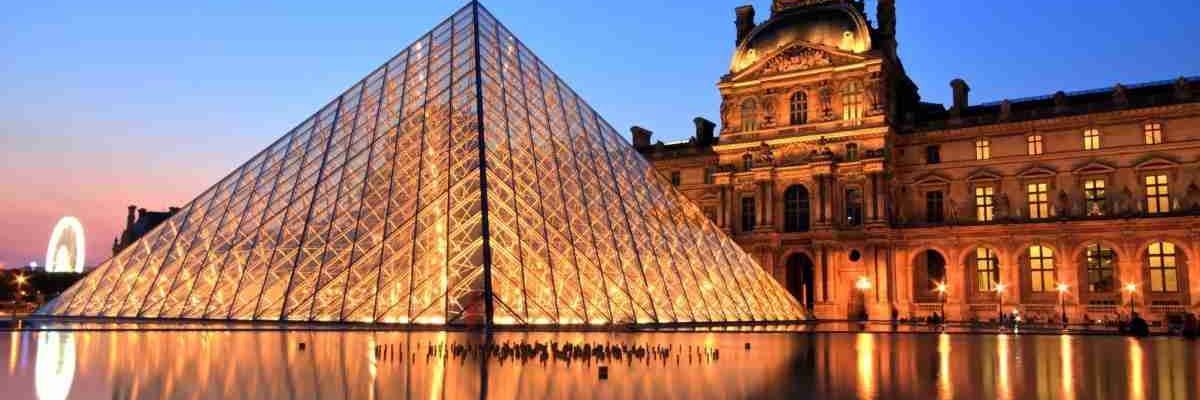
The Louvre Museum, located in the heart of Paris, is one of the most important and visited museums on the planet. A former royal palace, its history dates back to the twelfth century, and since its opening as a museum in 1793 it has become a symbol of universal art. With more than 35,000 works on display, the Louvre is home to one of the most extensive and prestigious collections in the world.
Among his most recognized pieces are Leonardo da Vinci’s Mona Lisa, the Venus de Milo, the Victory of Samothrace, and numerous masterpieces of European painting. Each room of the Louvre is a gateway to a historical period or an artistic current, from ancient civilizations to the Renaissance.
In addition, its iconic glass pyramid, designed by I. M. Pei, is today one of the most recognizable architectural symbols in the world. The Louvre not only preserves art, but projects it into the future. Its ability to combine tradition and innovation makes it an unavoidable benchmark when talking about the most important museums in the world. To visit it is to live an experience that unites the splendor of history with the magic of human creativity.
The British Museum: Guardian of Humanity's Legacy
Located in London, the British Museum is another of the most important museums on the planet. Founded in 1753, it is renowned for its impressive collection of antiquities and for being a world-class center of research and education. Its mission has always been to preserve and share knowledge about the world’s cultures, making it one of the most influential cultural institutions in modern history.
The museum houses more than eight million objects, including the Rosetta Stone, which allowed the decipherment of Egyptian hieroglyphics, and the Parthenon marbles, vestiges of ancient Greece that arouse both admiration and debate. Its collection of Egyptian, Asian, and Mesopotamian art is considered one of the most comprehensive in the world.
The British Museum symbolises the connection between different civilisations and demonstrates how cultural exchange has shaped humanity. His exhibitions are a window into the past that helps us understand the present. For all these reasons, this museum occupies a prominent place among the most important museums in the world and continues to be an essential stop for art and history lovers.

The Metropolitan Museum of Art (MET): The Artistic Soul of New York
In the heart of Manhattan is the Metropolitan Museum of Art, known as the MET, one of the most important museums in the United States and the world. Founded in 1870, the MET is home to more than two million works spanning five thousand years of history. From Egyptian art and Greek sculptures to European painting, Asian art, and contemporary creations, the MET offers one of the most comprehensive cultural experiences on the planet.
Among his most famous works are pieces by Rembrandt, Van Gogh, Monet and Picasso, along with the monumental collection of medieval weapons and armor, which fascinates both adults and children. The MET is also a benchmark for modernity: its temporary exhibitions and its connection with fashion, especially through the Met Gala, have made it a cultural and media icon.
More than a museum, the MET is a celebration of art in all its forms. Its aim is to make artistic knowledge accessible to all audiences, promoting appreciation and understanding of global cultural heritage. Due to its diversity, its influence and its inclusive nature, it is deservedly ranked among the most important museums in the world.
The Prado Museum: Spain's Pictorial Treasure
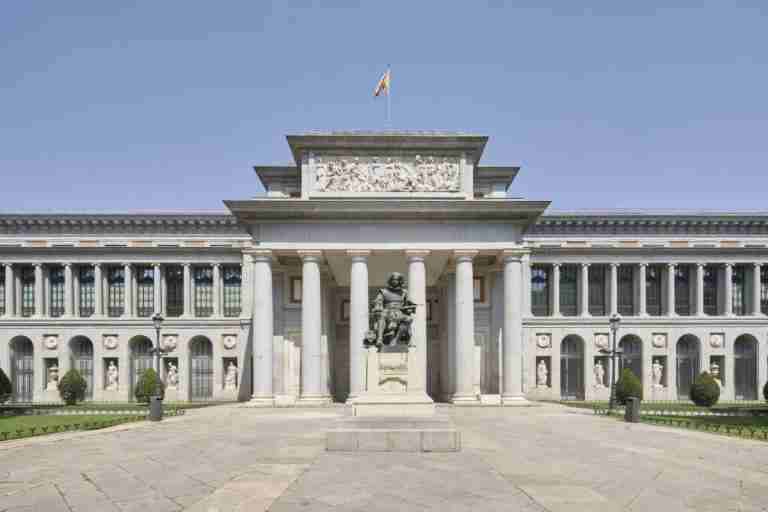
In the heart of Madrid stands one of the most important museums in Europe: the Prado Museum. Inaugurated in 1819, this temple of Spanish art houses one of the most important pictorial collections on the planet. Its collection brings together masterpieces by artists such as Velázquez, Goya, El Greco, Rubens and Titian, making it a must-see for lovers of classical art.
Among his most famous works are Las Meninas, The Garden of Earthly Delights and The Naked Maja, pieces that not only represent the pinnacle of European art, but also the cultural identity of Spain. The Prado has managed to preserve the essence of centuries of history and keep alive the connection between art and society.
Its majestic architecture and its location on the Paseo del Arte, next to the Reina Sofia Museum and the Thyssen-Bornemisza, make Madrid an artistic center of world relevance. The Prado Museum not only preserves the past: it inspires the future of creativity and continues to be a meeting point between history, emotion and beauty.
The Hermitage: St. Petersburg's cultural jewel
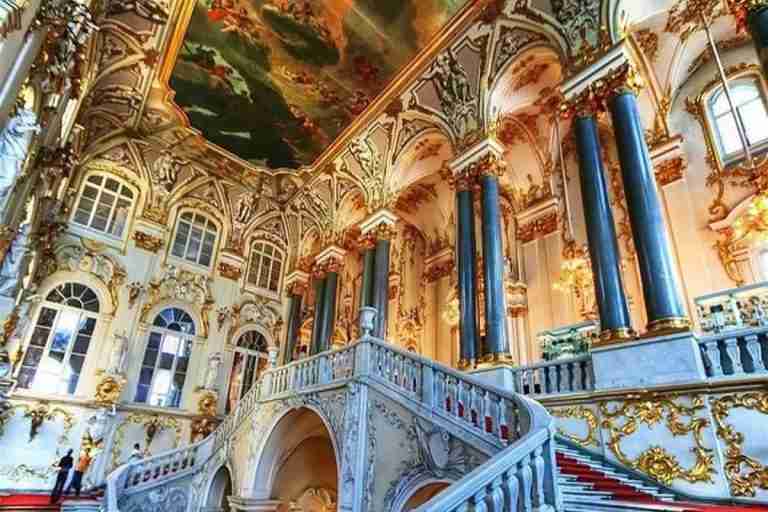
The Hermitage Museum in St. Petersburg, Russia, is a jewel of world cultural heritage and one of the most important museums on the planet. Founded in 1764 by Empress Catherine the Great, its collection exceeds three million pieces, ranging from ancient art to modern painting. Its main venue, the majestic Winter Palace, is a masterpiece of Russian Baroque and a monument in itself.
Among its treasures are works by Leonardo da Vinci, Raphael, Caravaggio, Rembrandt and Matisse, as well as classical sculptures and historical objects of incalculable value. Each room of the Hermitage breathes history and splendour, offering a unique experience to its visitors.
In addition, the museum has witnessed decisive moments in Russian and world history. Walking through its galleries is like walking through centuries of art and imperial power. Its size, architectural beauty and the richness of its collections make the Hermitage one of the most admired cultural destinations on the planet, worthy of being among the most important museums in the world.
Other essential museums on the planet
Beyond the great cultural giants, there are other museums that also deserve a prominent place among the most important museums in the world. In Italy, the Uffizi Gallery in Florence is the temple of the Renaissance, home to works by Botticelli, Michelangelo, and Leonardo da Vinci. In Amsterdam, the Rijksmuseum offers a fascinating tour of Dutch art with gems such as Rembrandt’s The Night Watch .
In New York, the Museum of Modern Art (MoMA) redefines the boundaries of contemporary art with iconic pieces by Warhol, Dalí and Pollock. In Cairo, the Egyptian Museum houses the treasures of the pharaohs, including Tutankhamun’s famous trousseau. And in Asia, the National Museum of China in Beijing showcases the greatness of one of the oldest civilizations on Earth.
Each of these spaces reflects a distinct vision of art and history, reminding us that culture does not belong to one place, but to all of humanity. Together they form a global map of knowledge that continues to inspire millions of visitors.
Conclusion: A journey through history and human creativity
To visit the most important museums in the world is to immerse yourself in the very essence of civilization. In its rooms are found the deepest expressions of the human spirit: the search for beauty, the desire for knowledge and the need to leave a mark. From the Louvre to the Hermitage, each museum tells a unique story, but they all share the same mission: to preserve and share humanity’s legacy.
Beyond the works they house, museums are places of meeting and learning. They invite us to reflect on our past, understand the present and build a future where art and culture continue to be fundamental pillars.
Visiting the most important museums is not only a tourist activity, but a transformative experience. It connects us with the geniuses of the past, awakens our curiosity and feeds admiration for what we are capable of creating. In short, these temples of knowledge continue to be beacons that illuminate humanity’s path towards beauty and wisdom.