
How much does it cost to go around the world?
Index
The dream of going around the world
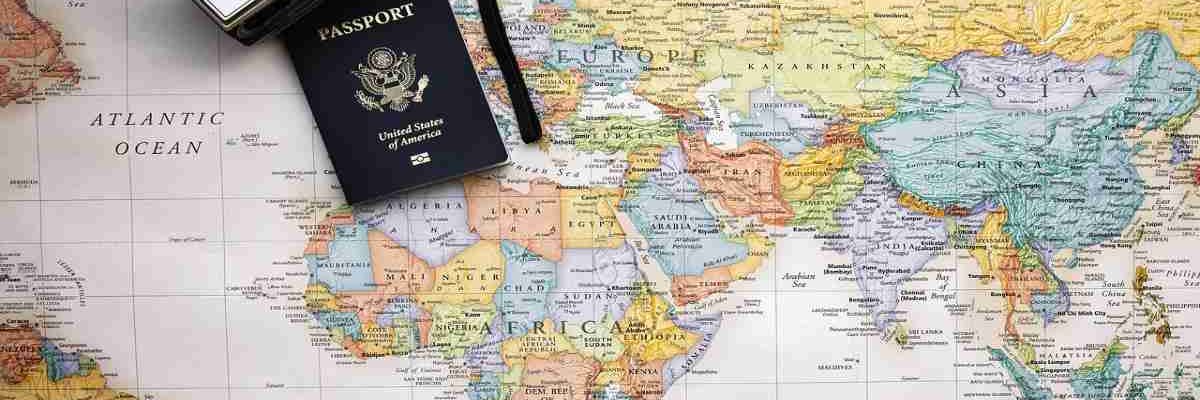
Going around the world is one of the great travel dreams of many people. The mere idea of traveling through several countries, getting to know different cultures, trying new flavors and living adventures on each continent is as exciting as it is liberating. But as soon as the illusion arises, the big question comes: how much does it really cost to go around the world?
The answer is not unique. It depends on many factors, such as the style of travel, the duration, the regions you want to visit, and even the time of year. Backpacking through Southeast Asia for six months is not the same as spending a year touring large capitals with a larger budget.
The truth is that, with good planning, the trip around the world is not an exclusive privilege of the rich or influencers. More and more people are able to do this by adjusting their expenses, choosing strategic destinations, and taking advantage of digital tools that facilitate the entire process.
In this article, we will break down the main costs associated with the round-the-world trip and provide clear estimates according to different traveller profiles. If you’ve ever dreamed of going on this adventure, here begins your journey to reality.


Key factors that determine the cost of a round-the-world trip
The price of a round-the-world trip can vary significantly depending on multiple factors. Understanding them is the first step to building a realistic budget adapted to your possibilities.
One of the most determining aspects is the duration of the trip. The longer it is, the higher the total cost, although the monthly expense can be reduced if resources are optimized. Another essential factor is the itinerary: some countries are much more expensive than others. For example, touring Japan, Australia or the United States involves a larger budget than traveling to countries such as India, Vietnam or Bolivia.
Travel style also has a direct impact. A backpacker who sleeps in hostels and uses public transportation will spend much less than someone who prefers hotels, frequent flights, and restaurants. The time of year you travel also influences, especially the prices of flights and accommodation.
Finally, you have to consider whether you will opt for an RTW (Round The World) ticket with partner airlines or if you will buy each leg separately. Together, all these elements shape the real cost of a trip around the world.
Budgets by type of traveler: backpacker, standard and premium
Not all round-the-world trips cost the same, nor do all travelers seek the same experience. That’s why it’s helpful to divide budgets into three broad profiles: backpacking, standard, and premium.
The backpacker profile is the most economical. It involves staying in hostels, using public transportation, eating at local stalls, and traveling slowly. A backpacker can travel around the world in a year with a budget of between 10,000 and 15,000 euros, depending on the destinations chosen.
The standard traveler is looking for a little more comfort. It stays in medium accommodation, combines flights and buses, and alternates restaurants with local food. This type of round-the-world trip usually costs between 18,000 and 25,000 euros for twelve months, including insurance, activities and flights.
Finally, there is the premium traveler, who prefers quality hotels, frequent flights, and organized tours. In this case, the cost can easily exceed 35,000 euros per year, even reaching 50,000 euros if you visit high-end destinations.
In any of the three profiles, the important thing is to adapt the trip around the world to your personal budget without sacrificing experience.
Main expenses: flights, accommodation, food, and local transportation
When planning a trip around the world, it is important to be clear about where the money goes. The four main blocks of expenditure are: flights, accommodation, food and local transport. Below, we break down each one.
Flights typically account for 25% to 40% of the total budget. A good strategy is to take advantage of RTW fares from alliances such as OneWorld or Star Alliance, or use tools such as Skyscanner and Google Flights to find bargains each way.
Accommodation is the most frequent expense. From hostel beds for €5-10 a night in Asia, to €100 hotels in Europe, prices vary greatly. Using platforms like Hostelworld or Airbnb helps to find affordable options.
The food also depends on the country. In Thailand you can eat for €2, while in Iceland you will hardly do it for less than €20. Combining restaurants with supermarkets is a common strategy to save money during the trip around the world.
Finally, local transport includes buses, trains, ferries or short-term rentals. In some countries such as India or Bolivia, moving around costs very little. In others, such as Japan or Switzerland, transportation is expensive but efficient.
Ideal duration and how it influences the budget
The time spent going around the world is key to calculating the total budget. Traveling longer doesn’t always mean spending more each month; In fact, many travelers claim that the first three months are the most expensive, due to inexperience and poor initial management.
A 6-month round-the-world trip requires a more concentrated budget. Many choose to visit fewer countries, concentrating on cheaper regions. In this case, a backpacker traveler could spend between 6,000 and 9,000 euros. For a standard profile, the figure is around 12,000 euros.
If the trip is extended to 12 months, there is more room for long stays and slow trips, which reduces monthly costs. Travelers often take advantage of volunteering, work exchange, or monthly rentals. This approach allows you to go around the world more affordably, even with less than 1,000 euros per month.
In addition, the longer you stay in a place, the lower the daily cost: less transport, better prices for long stays and a deeper connection with the destination. Thus, the duration not only impacts the price, but also the quality of the experience.
Cheapest and most expensive regions to include in your trip around the world
Not all destinations have the same cost, and choosing the right regions will make a difference in the budget of your trip around the world. There are especially economical areas that allow you to travel for weeks for less than the cost of a night in a European hotel.
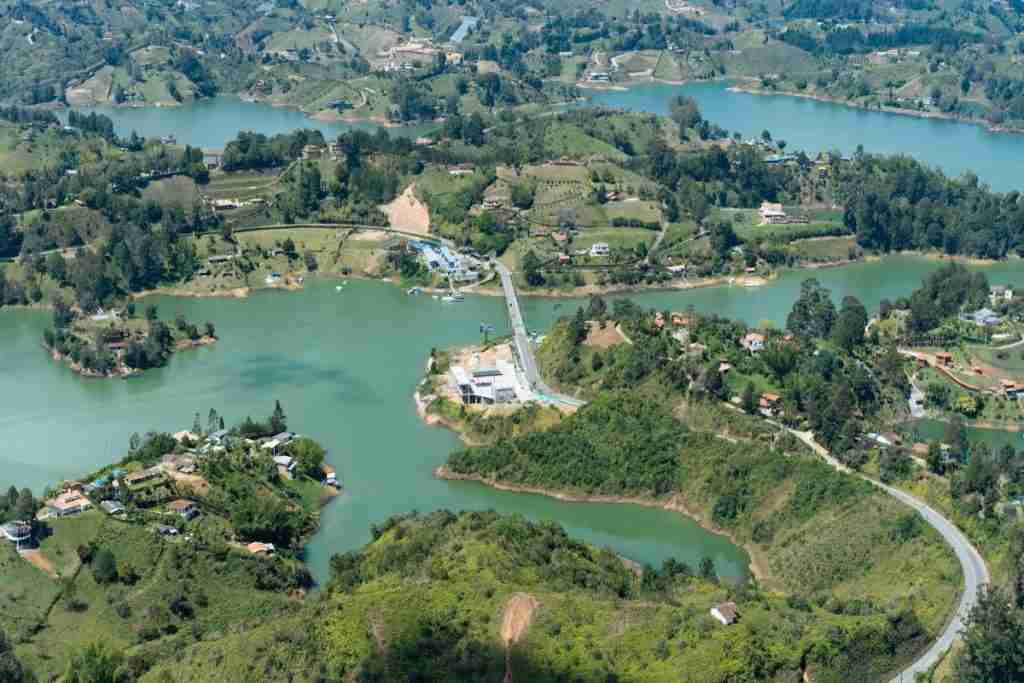
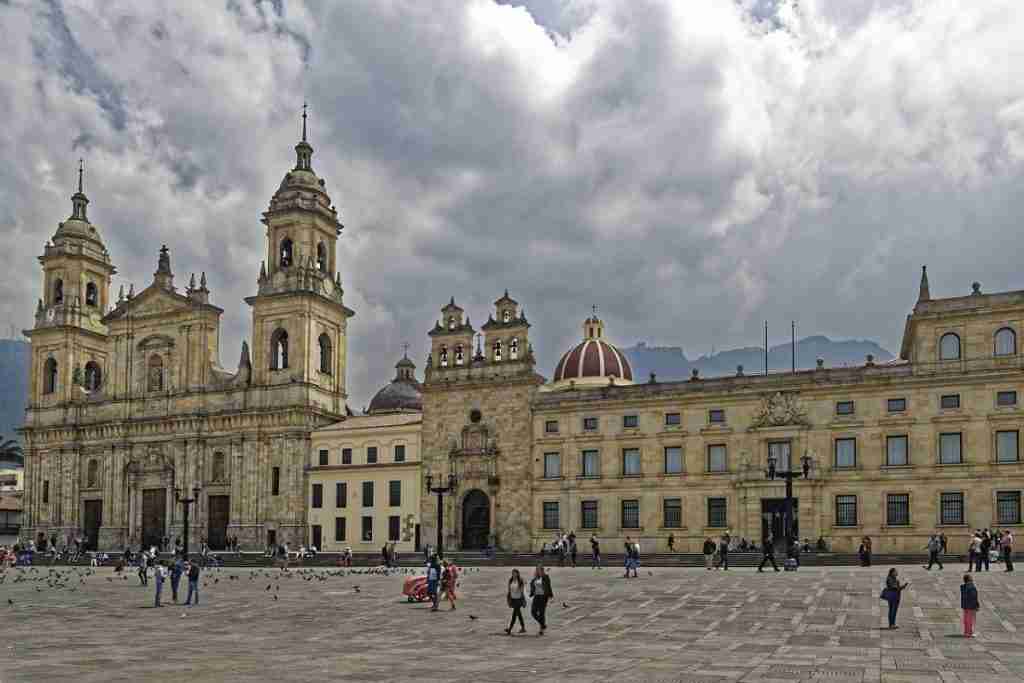
Among the most economical regions, Southeast Asia (Thailand, Vietnam, Laos), parts of Central America (Guatemala, Nicaragua) and much of South America (Bolivia, Peru, Colombia) stand out. Also some Eastern European countries (Albania, Romania) offer good value for money.
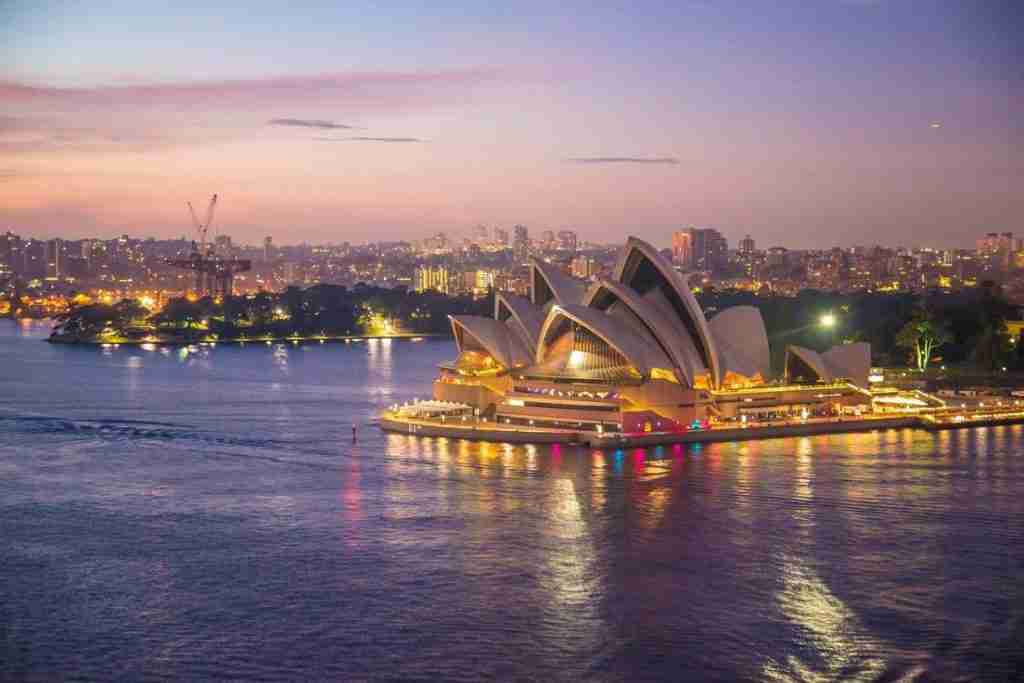
In contrast, the most expensive regions include Western Europe, Oceania (Australia, New Zealand), the United States , and Nordic destinations such as Norway or Iceland. In these places, the daily cost can double or triple.
A common strategy is to balance the trip by alternating cheap regions with more expensive ones. Spending three months in Asia can offset the expense of one in Australia. With strategic planning, you can enjoy the best of each continent without breaking your budget.
Choosing the right countries makes the difference between an accessible round the world trip and an unattainable one.
Tips to save money without sacrificing experience
Going around the world doesn’t have to be synonymous with waste. With creativity, flexibility, and the right tools, it’s possible to reduce expenses without sacrificing the quality of the trip.
A key technique is slow travel: traveling slower and staying longer in each destination. This reduces the cost of transport and allows access to lower prices on accommodation and food.
Using international fee-free cards, currency exchange apps, and checking other travelers’ blogs helps you make smart financial decisions during your round-the-world trip. In addition, cooking on your own, having picnics, or getting around by bicycle or on foot, in addition to being economical, improves the experience.
It’s not about depriving yourself of everything, but about prioritizing. Saving on a trip can allow you to do a unique activity in another country. Every conscious choice adds up to the global journey.
Conclusion: How much does it really cost to go around the world?
There is no single answer to the question of how much it costs to go around the world. What is clear is that it is a more attainable experience than most imagine. With planning, information, and flexibility, it’s possible to have a transformative adventure without spending a fortune.
A 6-month trip can cost between €6,000 and €15,000, while a 12-month trip can range from €12,000 to more than €30,000, depending on the style and destinations chosen. But the most important thing is not the exact figure, but the attitude with which the road is faced.
Around the world is much more than a sum of countries: it is a cultural immersion, a personal challenge and a source of unparalleled learning. If you dream of it, start preparing. Because beyond the budget, the real cost is never trying.