
Oceania beyond Australia and New Zealand
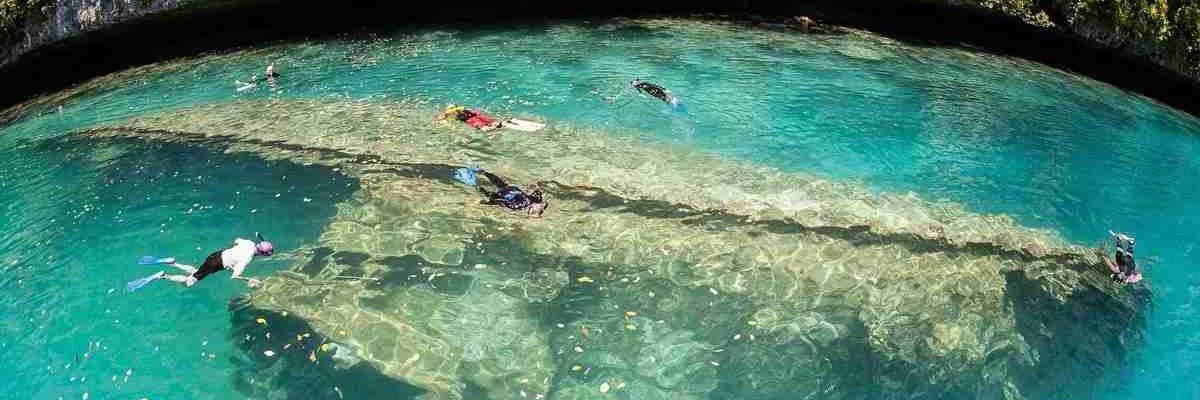
Index
Oceania: a diverse and surprising continent
When talking about Oceania, most travelers automatically think of Australia and New Zealand. However, this island continent encompasses thousands of islands spread across the Pacific, offering a cultural and natural mosaic that goes far beyond the most well-known destinations. From small atolls to large archipelagos, every corner of Oceania holds a unique history and landscapes of incomparable beauty.
The region is divided into three major cultural areas: Micronesia, Melanesia and Polynesia, to which are added territories such as the Cook Islands, Kiribati or Tuvalu. These places are not only important for their natural wealth, but also for the heritage of peoples who have been able to keep ancestral traditions alive despite globalization.
Traveling to Oceania beyond Australia and New Zealand means immersing yourself in cultures with ritual dances, unique languages, and ways of life intimately tied to the ocean. It also means discovering volcanic landscapes, coral reefs of amazing biodiversity and communities that maintain a strong bond with nature.
Whoever dares to explore these little-known destinations, finds an authentic Oceania, away from the massive tourist routes. It is the ideal place for those looking for transformative experiences, full of human connection and contact with a natural environment still largely intact.


Micronesia: small paradises full of history
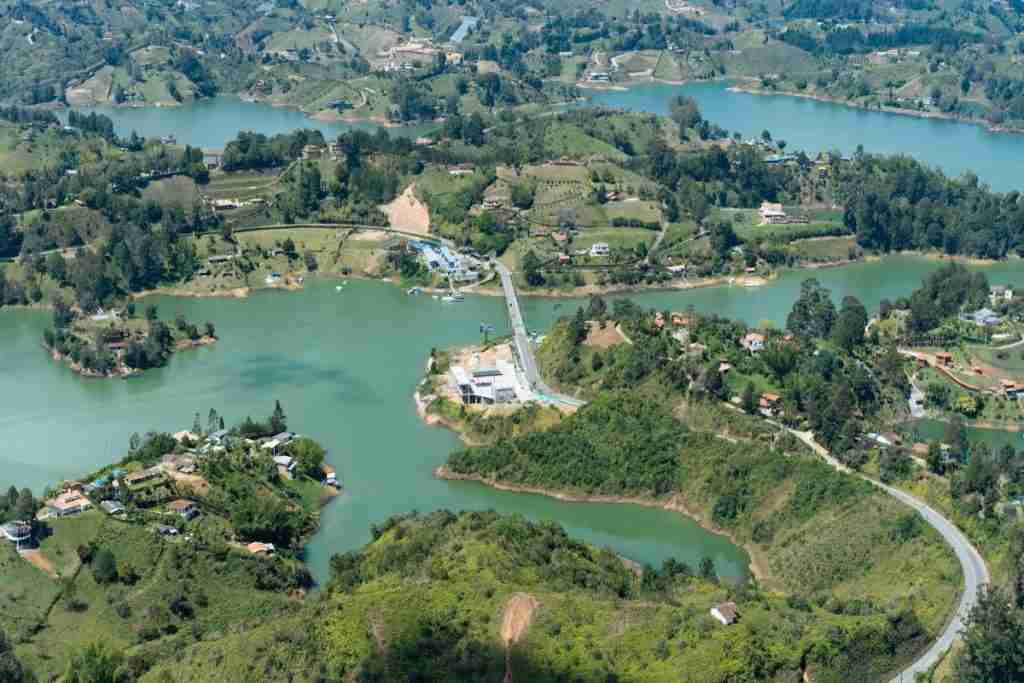
The region of Micronesia, located in the western Pacific, is made up of thousands of small islands that hide enormous historical and cultural value. Countries such as Palau, the Federated States of Micronesia and Guam surprise with a unique combination of paradisiacal beaches, archaeological remains and traces of past conflicts.
In Palau, visitors find one of the richest marine ecosystems in the world, with crystal-clear lagoons and reefs that attract divers from all over the planet. In Chuuk, within the Federated States of Micronesia, the remains of ships sunk during World War II have become an internationally renowned underwater museum.
Guam, on the other hand, offers an interesting contrast between modernity and tradition. Although it is a territory associated with the United States, it retains strong Chamorro cultural roots that are expressed in its gastronomy, dances and festivities.
Beyond its tourist attractions, Micronesia invites us to reflect on how small communities manage to keep their cultural identity alive while facing contemporary challenges such as climate change and migration. Exploring this part of Oceania means discovering a world in which history, nature and everyday life are deeply intertwined.
Melanesia: Wilderness and Ancient Traditions
In the vast region of Melanesia, located in the northeast of Australia, you will find some of the most amazing destinations in Oceania. Countries such as Papua New Guinea, Fiji, Vanuatu and the Solomon Islands offer a fascinating combination of wild landscapes, living cultures and unrivalled biodiversity.
Papua New Guinea is famous for its ethnic and linguistic diversity: more than 800 different languages are spoken in a territory of dense jungles and steep mountains. Its festivals, where traditional costumes and warrior dances are shown, are an immersive experience in the cultural richness of the region.
Fiji, known worldwide for its white sand beaches and turquoise waters, goes far beyond luxury tourism. Its villages offer genuine hospitality, with traditional ceremonies such as kava, allowing the traveler to understand Fijians’ deep connection to their land.
Vanuatu and the Solomon Islands are a paradise for lovers of diving and untouched nature. Here it is possible to swim among pristine reefs, explore active volcanoes, and live with communities that proudly maintain ancestral traditions.
Melanesia shows a lesser-known face of Oceania, where respect for nature and customs passed down from generation to generation continue to mark the pulse of daily life.
Polynesia beyond Hawaii and Tahiti
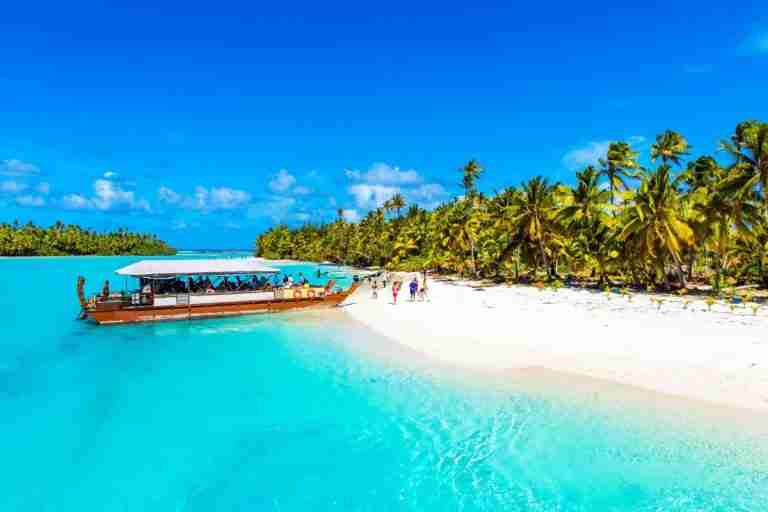
When Polynesia is mentioned, many think of Hawaii or Tahiti, but this vast region of Oceania is home to other equally fascinating and far less touristy destinations. These include Samoa, Tonga and Niue, islands that offer authentic experiences and a strong cultural identity.
Samoa is a place where tradition permeates everyday life. The “Samoan fa’a” or Samoan lifestyle, values family, community and respect for ancestors. Its pristine beaches, waterfalls, and volcanic landscapes are the perfect setting to experience a warm and welcoming culture.
Tonga, known as the “kingdom of the islands,” is one of the few countries in Oceania ruled by a traditional monarchy. Their cultural heritage is palpable in the dances, music and ceremonies that celebrate community life. In addition, Tonga is one of the best places in the world to observe humpback whales.
Niue, nicknamed the “Rock of Polynesia,” is a unique destination because of its geography. Its cliffs, sea caves and transparent waters make it a privileged place for diving and snorkeling.
To explore Polynesia beyond the classic destinations is to enter a world where nature and culture are still intertwined in perfect harmony.
Cook Islands: the Pacific's best-kept secret
In the middle of the South Pacific, the Cook Islands emerge as one of Oceania’s most enchanting destinations. Despite their growing popularity, they maintain a calm and authentic atmosphere that makes them a real treasure.
Made up of 15 islands, this archipelago stands out for its turquoise lagoons, white sand beaches and coral reefs full of life. Rarotonga, the main island, combines lush nature with a vibrant cultural life, where music and dance take center stage.
One of the most memorable experiences in the Cook Islands is visiting Aitutaki, known for having one of the most beautiful lagoons in the world. Its small motus (islets) offer dreamlike landscapes, ideal for those looking for privacy and direct contact with nature.
Beyond its paradisiacal beaches, the Cook Islands are characterized by the hospitality of its people. Here, Polynesian tradition is kept alive in gastronomy, festivities and community life.
To discover the Cook Islands is to find an intimate and welcoming Oceania, where the visitor feels part of local life and learns to value the harmony between tradition and modernity.
Kiribati and Tuvalu: islands on the frontlines of climate change
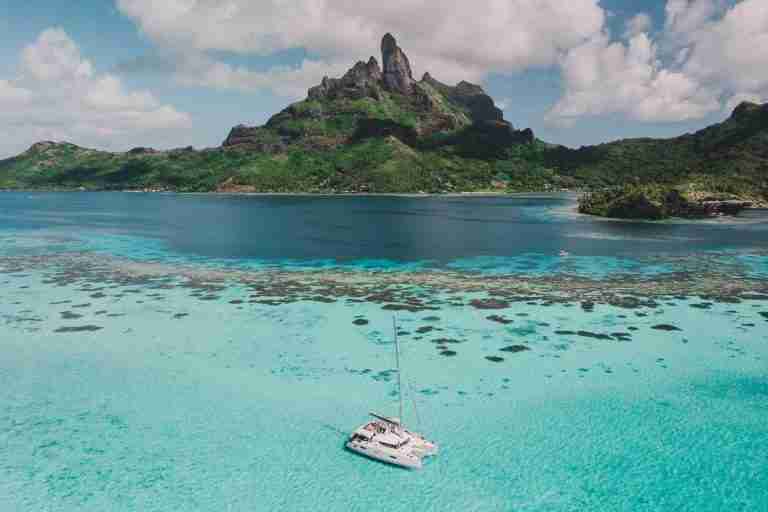
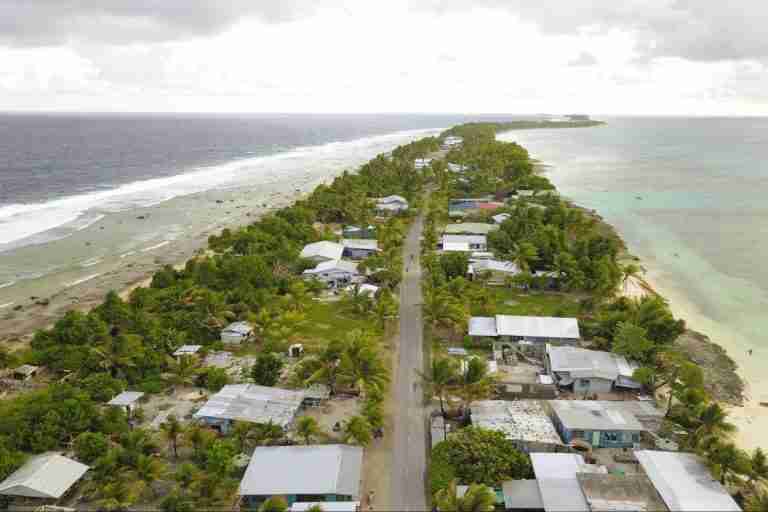
Among the smallest and lesser-known countries in Oceania are Kiribati and Tuvalu, island nations facing one of the world’s greatest challenges today: climate change. Their location on low-elevation atolls makes them extremely vulnerable to sea level rise.
Kiribati, made up of 33 atolls scattered across the central Pacific, is a culturally rich country. Despite its geographical limitations, its inhabitants maintain fishing traditions and ancestral ceremonies that strengthen their collective identity.
Tuvalu, on the other hand, is one of the least visited countries in the world. Its quiet villages, community life and traditional dances offer a different experience, away from mass tourism. However, its future is uncertain, as many of its islands are barely a few meters above sea level.
Visiting Kiribati and Tuvalu is not only a tourist trip, but also an opportunity to become aware of the fragility of some territories in Oceania and the importance of preserving the planet for future generations.
The cultural richness of Oceania: languages, myths and artistic expressions
One of the most fascinating aspects of Oceania is its extraordinary cultural diversity. Thousands of languages are spoken on this continent, many of them transmitted orally and linked to small communities. Each island holds myths and legends that explain the origin of the world, the sea and nature, reflecting a deeply spiritual vision of life.
Dances and music occupy a central place in oceanic societies. The internationally known Maori haka is just one example within a vast range of ritual expressions that include drumming, polyphonic chanting, and choreography that conveys ancestral stories.
Art is also a window into the region’s identity. From the stone sculptures of Rapa Nui to the colorful handicrafts of Fiji or the ceremonial masks of Papua New Guinea, each piece reflects the worldview of a people and their relationship with the environment.
Traveling through Oceania beyond Australia and New Zealand means encountering living cultures, proud of their heritage, that transmit to the traveler a deep respect for nature and community.
Traveling through Oceania beyond the typical
Exploring Oceania off the beaten track requires some planning, but the payoff is huge. Many of these islands have basic infrastructure, which makes the trip an authentic and close experience.
Inter-island transportation is usually done by small planes, local boats, or ferries, adding a touch of adventure to the tour. Gastronomy is another attraction: dishes based on fresh fish, coconut, roots such as taro and tropical fruits offer a feast of flavors that reflect the connection with the sea and the land.
In terms of experiences, travelers can participate in community ceremonies, practice water sports on pristine reefs, or simply relax on secluded beaches. Local hospitality is a key element: in many places, visitors are welcomed as part of the family.
Beyond personal enjoyment, traveling through Oceania also implies an act of respect for unique cultures and ecosystems. Every step out of crowded destinations is an opportunity to learn, value and contribute to the preservation of an invaluable heritage.